School & Daycare Cleaning in Rockwall, TX
Your school should be cleaned like a hospital. Children’s health depends on it.
Why Schools Need More Than Standard Janitorial
Children spend six to eight hours a day in your facility. They touch everything, put their hands in their mouths, and take germs home to their families. When parents see dust on the windowsill or smell a dirty bathroom, they assume the whole place is neglected.
Standard janitorial services treat schools like office buildings. One rag for toilets. Same rag for desktops. No understanding of how germs actually travel between surfaces. Parents notice the results. Children get sick. And your reputation takes the hit.
At Mop Wringers, we were trained by Howard County Public School Systems to clean schools using the same protocols hospitals use. That training, over 10,000 hours of it, shapes every decision we make inside your building.
Cross-Contamination Is the Real Problem
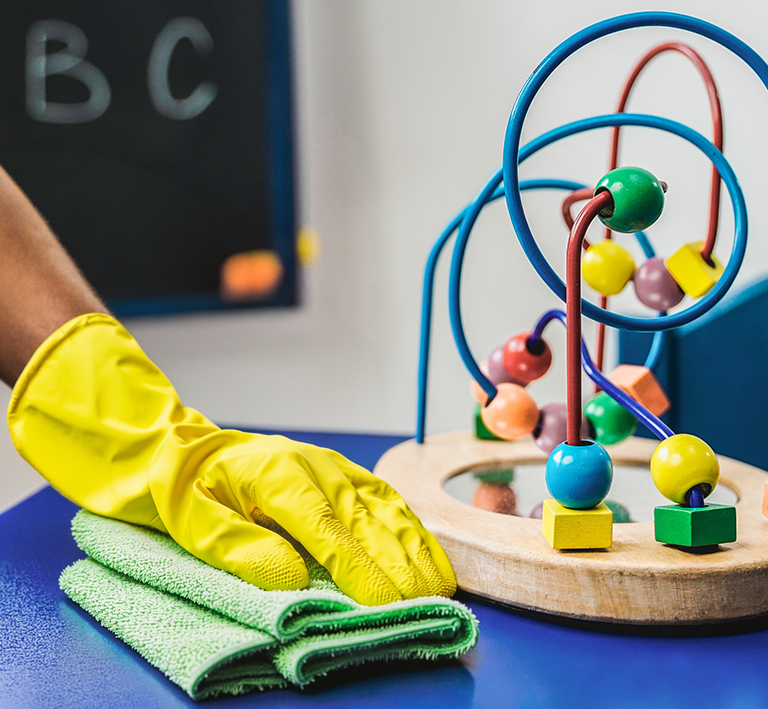
Walk into most school custodial closets and you’ll find one dirty rag in a bucket. That rag went from the toilet seat to the cafeteria table to the teacher’s desk. The cleaner probably didn’t think twice about it.
That’s cross-contamination, and it’s how illness spreads through a building faster than any student sneeze.
Children touch door handles, then their faces. They put their hands under desks, then in their mouths. Every surface connects to every other surface through little hands. When your cleaning method spreads contamination instead of preventing it, your facility becomes part of the problem.
We built our entire methodology around stopping this cycle.

The Color-Coded System for Schools
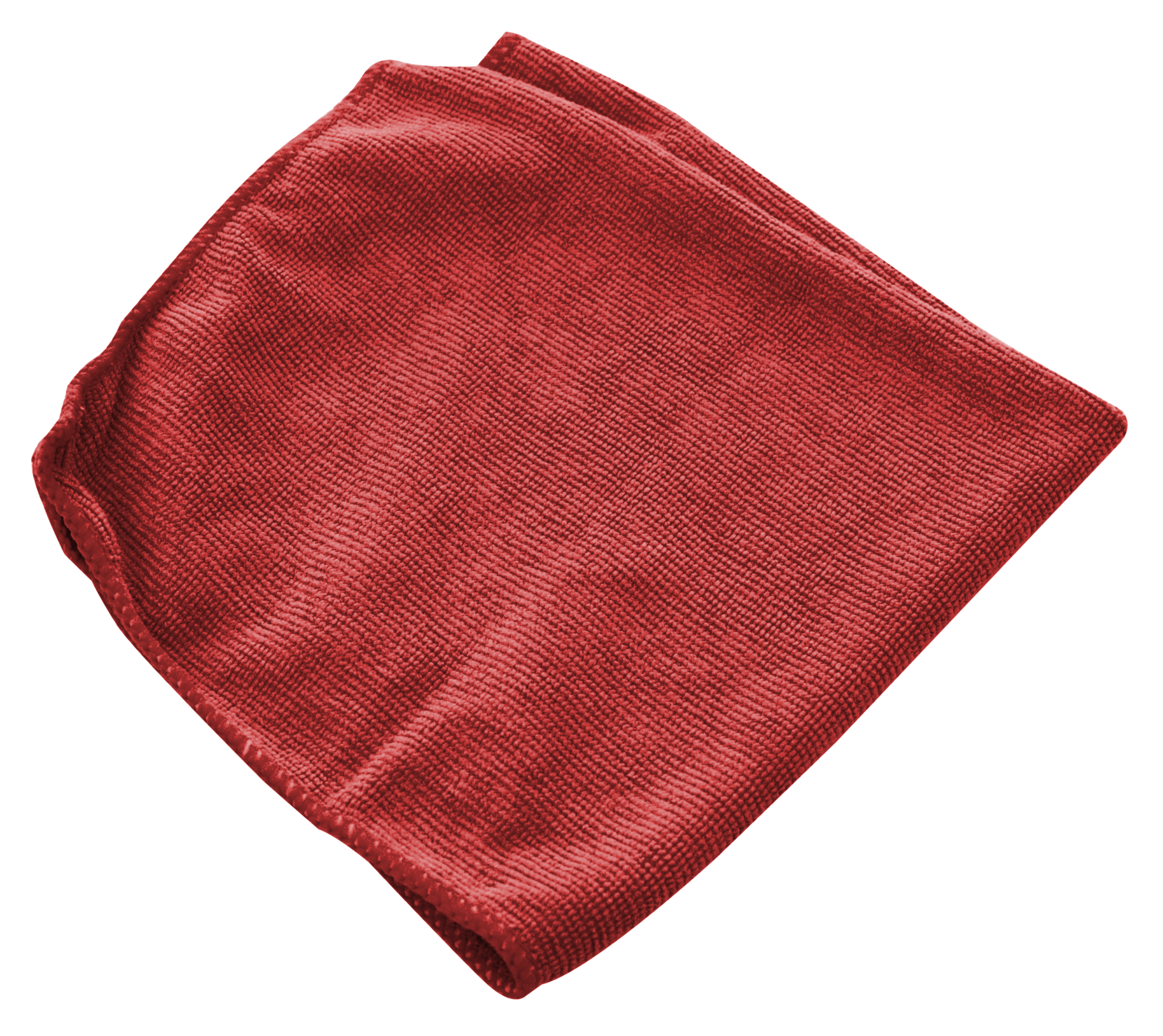
Red Rags and Mops
Bathrooms and toilets only. These tools never touch another surface in your building.
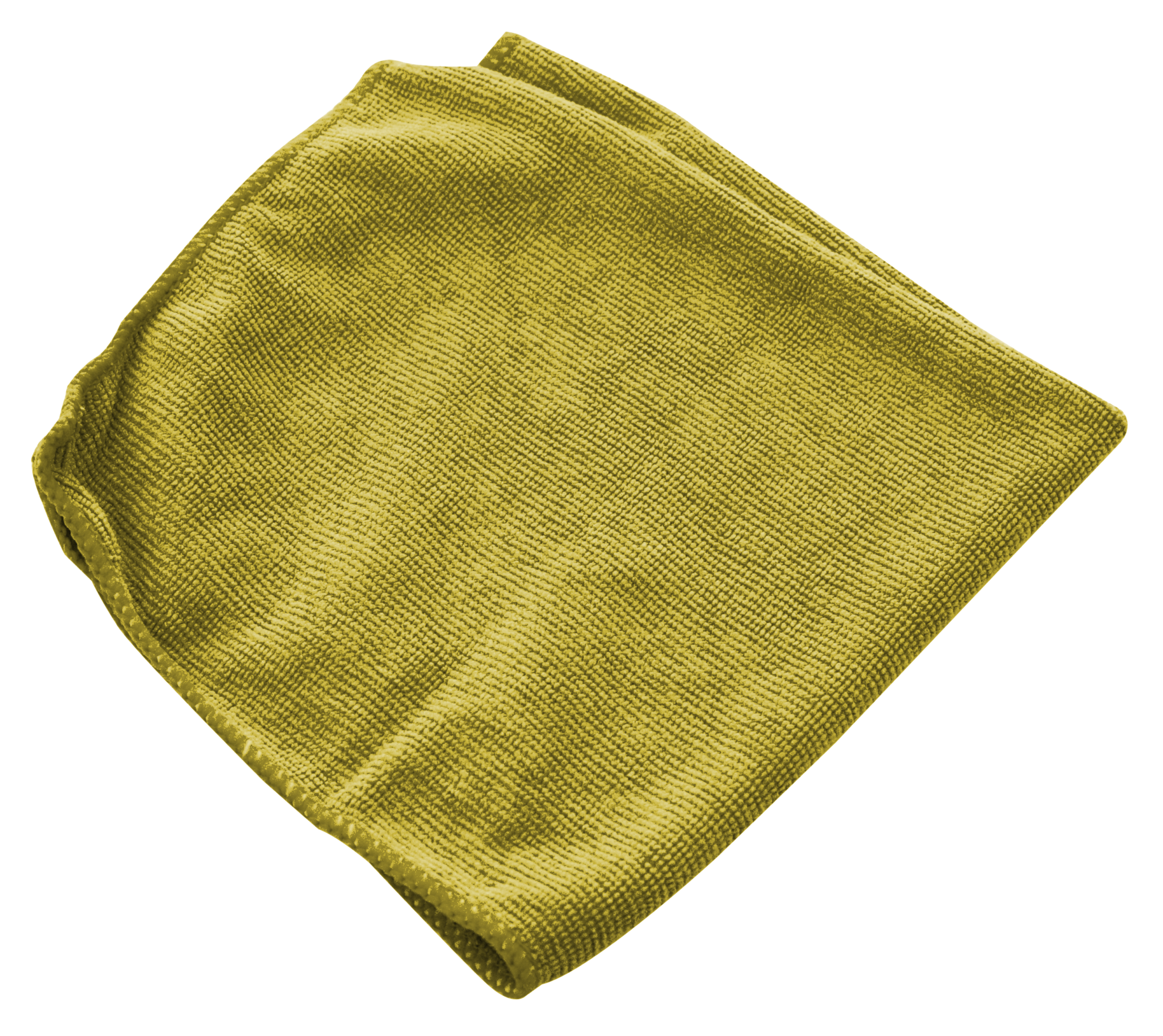
Yellow Rags
Sinks and water fixtures. Kept separate from both bathroom and classroom tools.
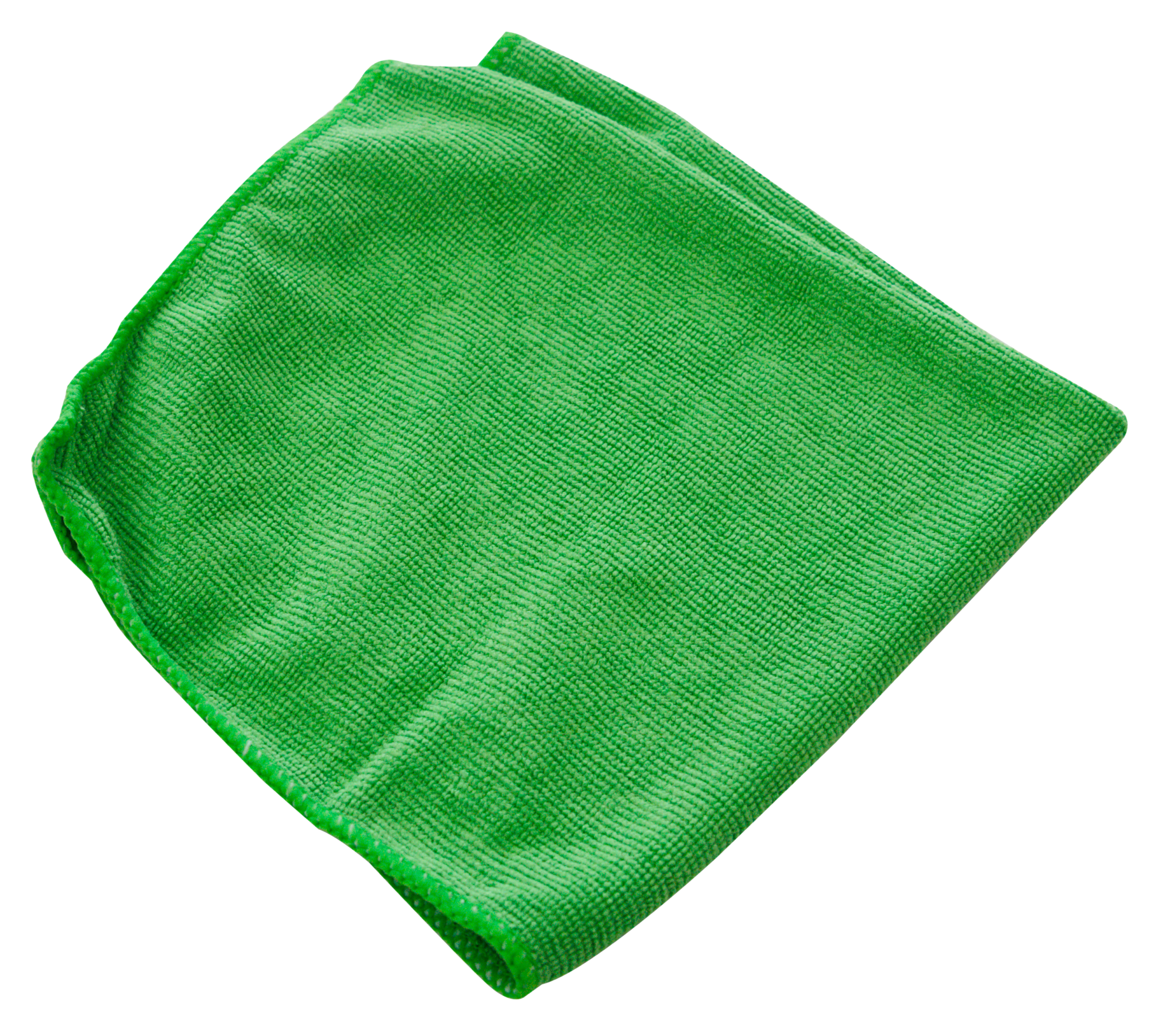
Green Rags
Common areas, desks, chairs, and hard surfaces where children learn and play.
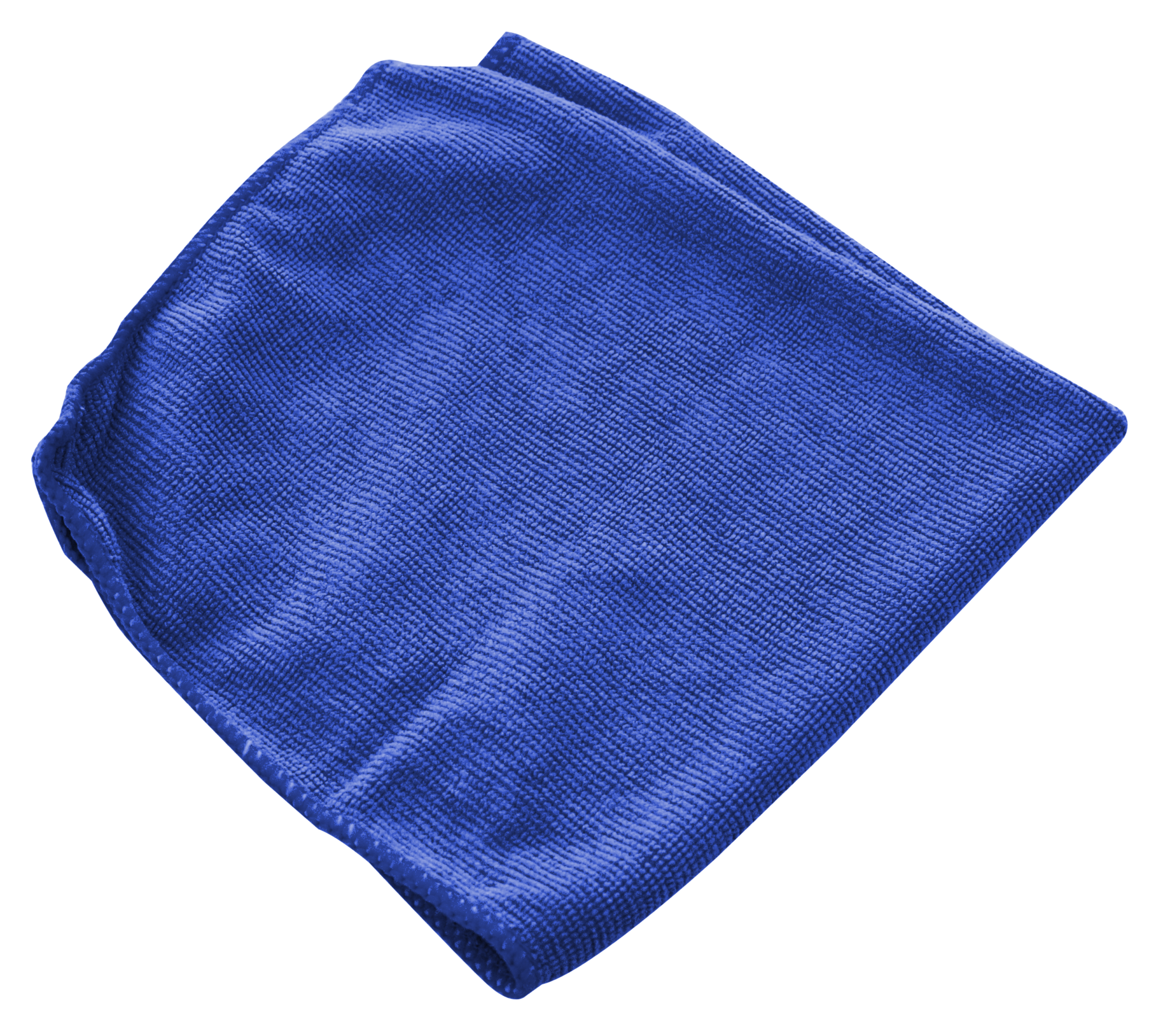
Blue Rags
Glass and windows only. No overlap with any other cleaning task.
What We Clean in Your School
Every visit follows the same systematic process we developed through years of custodial supervision in school environments.
Classrooms including desks, chairs, whiteboards, door handles, light switches, and the surfaces children actually touch. We go beyond the visible, cleaning undersides of desks and chairs where little hands grip every day.
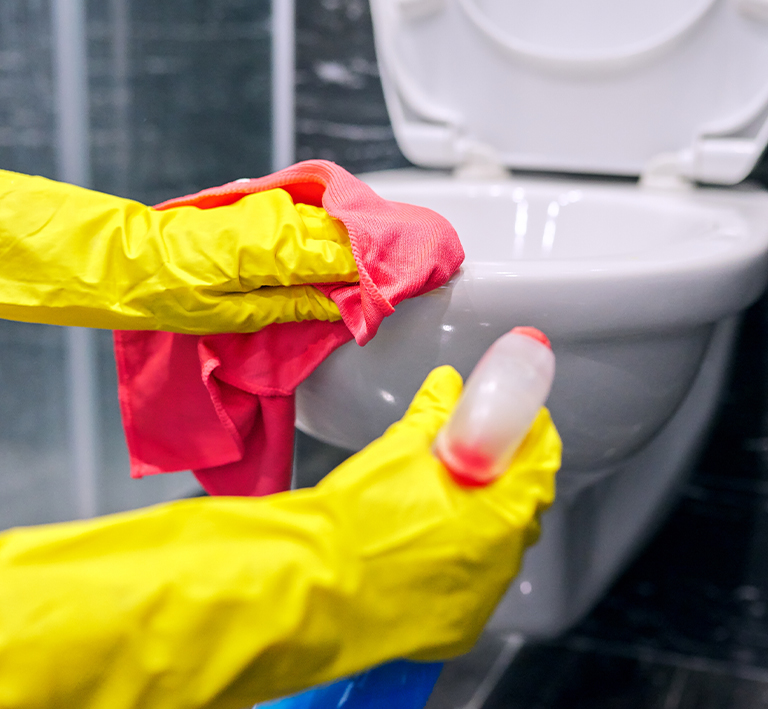
Bathrooms receive complete sanitization using red-coded tools that never touch another area of your building. Floor to ceiling attention, including vents and corners.
Common areas like cafeterias, hallways, offices, and gathering spaces, each cleaned with color-appropriate tools for every surface type.
High-contact touchpoints that most cleaners skip altogether. Handrails, door handles, water fountains, and the surfaces children grab between hand-washings.
Dust removal from high and low surfaces, including vents and ceiling areas. Skin cells are the main component of dust, and when inhaled, they carry the germs that make people sick.
Trusted by Local Schools
Working with schools taught us that cleaning isn't about appearance. It's about creating environments where children can learn without getting sick.
Common Questions About School Cleaning
Timing depends on your facility size and cleaning frequency. We work around your schedule, whether that’s after hours, weekends, or during breaks. Most schools prefer evening cleaning so everything is ready each morning.
We can accommodate daytime cleaning when needed, but evening and weekend service is more thorough and less disruptive. Our color-coded system prevents cross-contamination regardless of when we clean.
Our systematic approach with documented checklists helps you meet health and safety standards. We provide inspection documentation showing work completed according to medical-facility protocols.
Yes. We clean indoor facilities, playground equipment, and outdoor gathering areas. Different surfaces require different approaches, but the same systematic methodology applies throughout your property.
We welcome that feedback. We ask clients to inspect our work before we leave because that kind of input only makes the service better. Open communication is part of how we operate.