How We Clean. Why It Works. What to Expect.
Most cleaners show up with one dirty rag and hope for the best. We show up with a medical-facility system, a detailed plan, and personal accountability at every step.
It Starts With Understanding the Problem
Walk into most cleaning company storage closets and you’ll find exactly one rag. That same rag cleans the toilet, wipes down desktops, and “sanitizes” everything in between. That’s cross-contamination: harmful bacteria and viruses transferring from one surface to another through shared cleaning tools.
In schools and medical facilities, one improperly cleaned surface can affect dozens of children or patients. You can’t fix that with effort alone. It takes a system.
The Color-Coded System: How We Prevent Cross-Contamination
Our methodology comes from Howard County Public School Systems in Maryland, where schools are cleaned to medical-facility standards. Over 10,000 hours of institutional training reinforced one principle: sanitization is the foundation of every cleaning. Not making things look good. Making them actually safe.
Every tool we use is assigned to a specific zone. Rags, mops, buckets. Nothing crosses from one zone to another. This is the same standard hospitals use, and it’s what we bring to every facility we clean.
Four Zones. Zero Cross-Contamination.
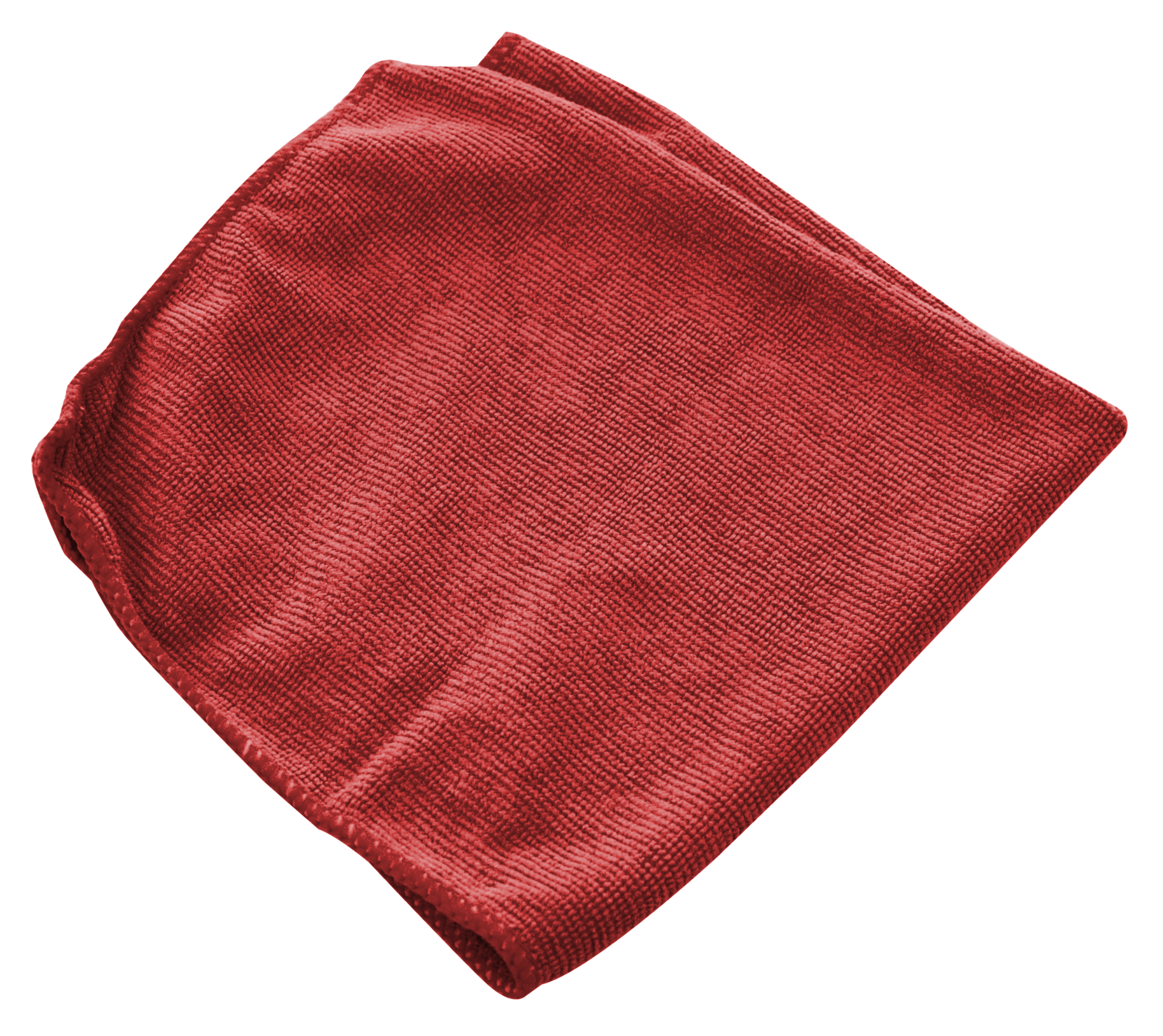
Red Zone
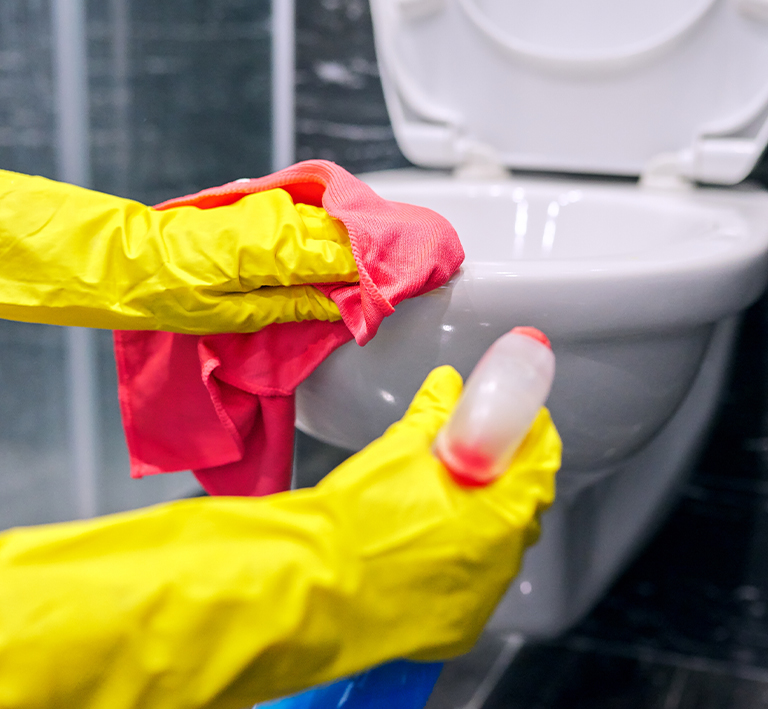
Toilets, urinals, and bathroom fixtures. The most contaminated surfaces get dedicated tools that never leave the bathroom.
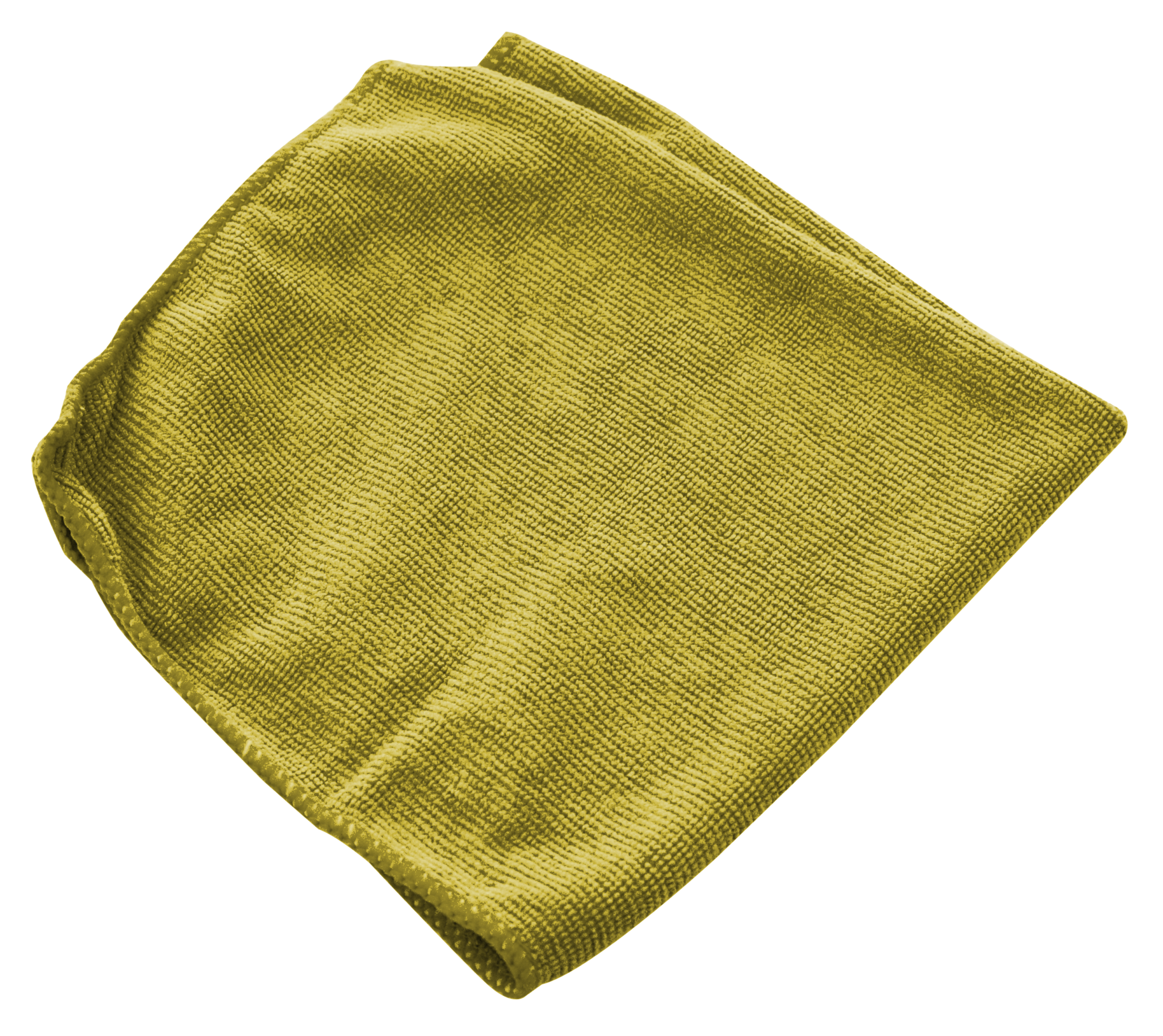
Yellow Zone
Sinks, faucets, and water fixtures. These surfaces touch hands, not waste, but still require isolation from other zones.
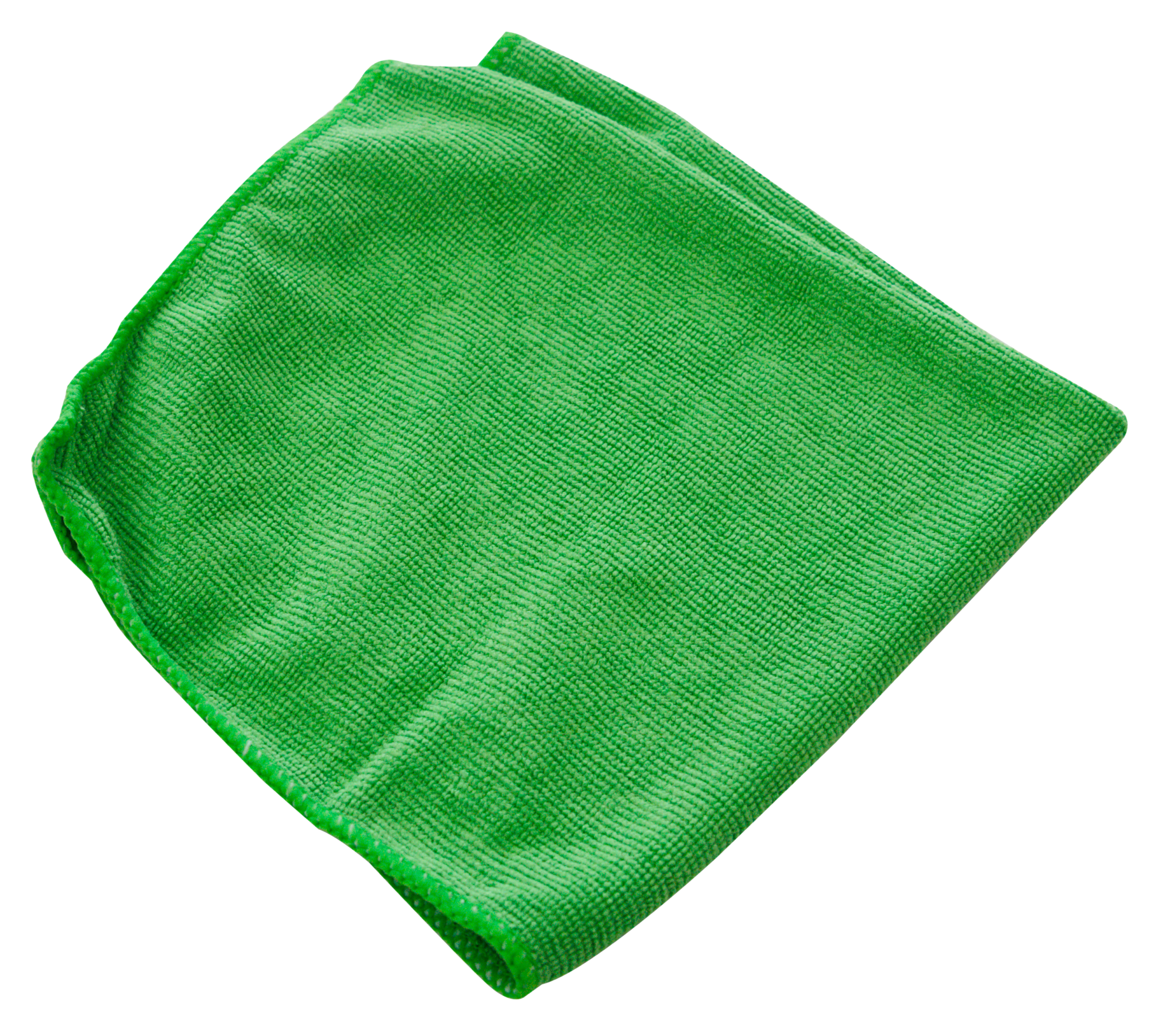
Green Zone
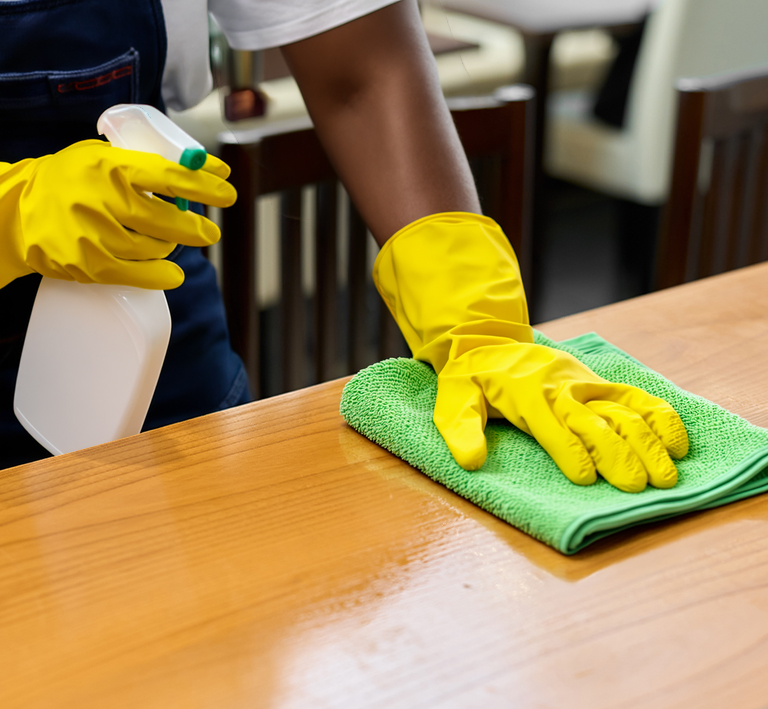
Common area surfaces like desks, tables, and door handles. Where people work and eat, kept completely separate from bathroom tools.
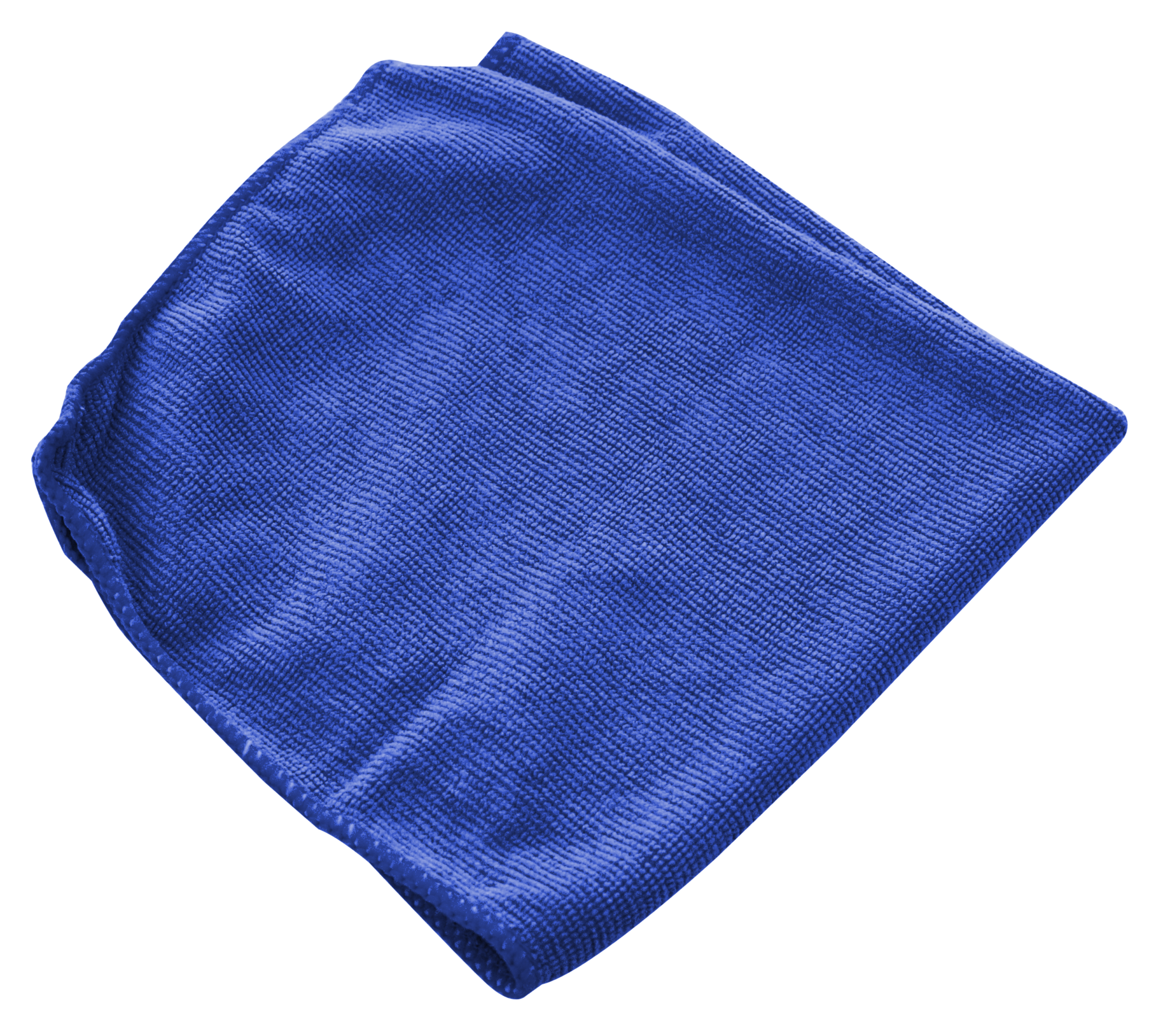
Blue Zone
Glass surfaces and windows. Dedicated tools prevent streaking and ensure crystal-clear results without contamination.
It Goes Beyond Rags
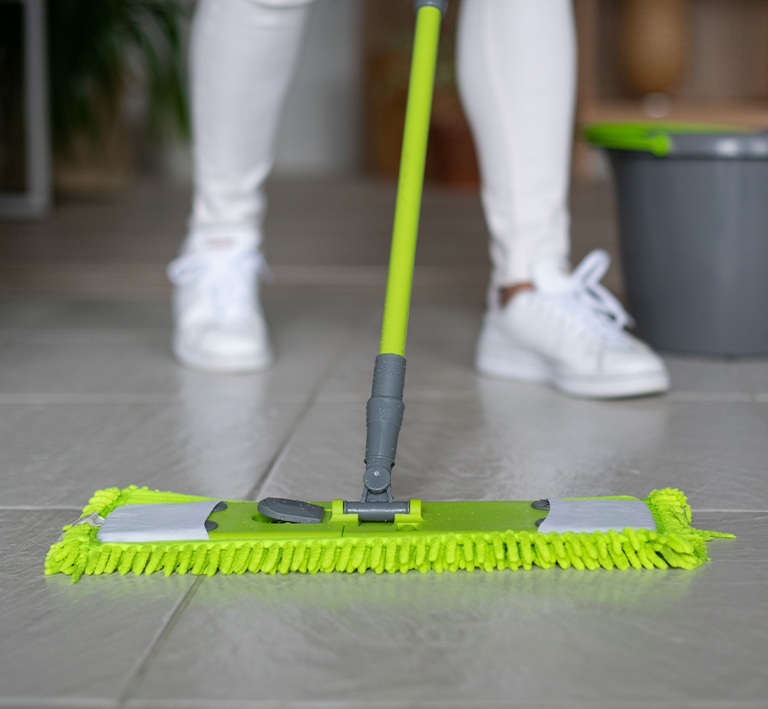
The color-coded system extends to mops, buckets, and every piece of equipment we use. We don’t mop bathroom floors with the same mop that touches the cafeteria where children eat.
Most people don’t think about what’s actually in dust. Skin cells. Those skin cells hold on to germs, and when you inhale that dust, they get in your system. That’s why we pay attention to vents, ceilings, and surfaces most cleaners never consider. It takes more time and more equipment, but it’s the difference between looking clean and being safe.
Step 1: On-Site Consultation
We walk through your facility together to see the space, understand your needs, and measure square footage accurately. What areas get the heaviest use? Any problem spots your current cleaner misses? Special requirements for your facility type?
We also look at what most cleaners overlook. Door handles, rails, undersides of chairs. If someone walks into your building, what do they touch? Where do they put their feet? What do they sit on? Those touchpoints matter, and we need to see them firsthand. You get honest answers about what’s realistic, what it costs, and how long it takes.

Step 2: Detailed Written Proposal
Within 48 hours, you receive a comprehensive proposal that breaks down exactly what’s included:
- Specific areas to be cleaned and frequency
- Which services are included (restrooms, common areas, floors, windows)
- How the color-coded system applies to your facility type
- Touchpoint mapping for high-contact surfaces in your space
- Timeline and scheduling options
- Transparent pricing with no hidden fees
You’ll understand exactly what happens each visit and which zone protocols apply to each area of your facility.
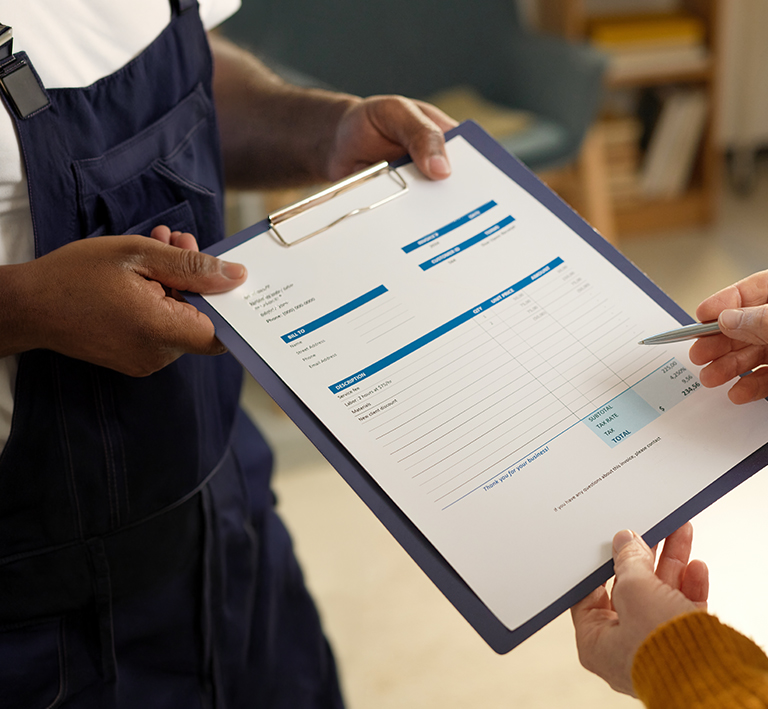
Step 3: Contract and Scope Agreement
Our contracts are straightforward. One-year terms with performance-based opt-out clauses. If we’re not meeting your standards, you can end the contract.
The scope is detailed and specific. No vague “general cleaning.” You know exactly what happens each visit, which tools are used in which areas, and how we handle any issues that come up.

Step 4: Service With Built-In Accountability
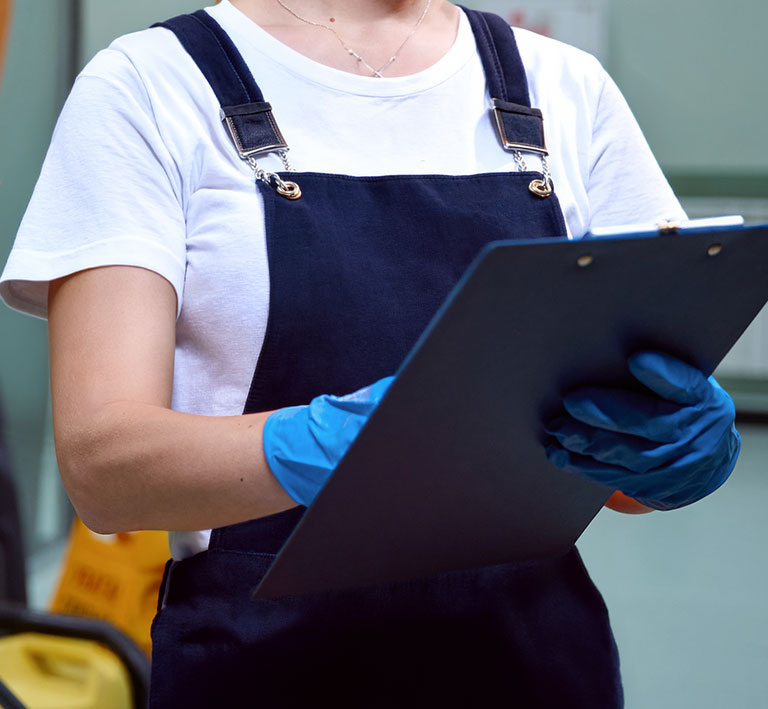
We use the same inspection checklist system our founder developed as a building supervisor managing custodial teams. Random quality checks ensure consistency. Open communication means you can reach us directly if something needs attention.
We ask clients to inspect our work before we leave. If you point out something that needs fixing, we go back and fix it. Constructive criticism only makes you better. That’s not a policy. That’s personal accountability.
How This Works in Practice
I serviced a local restaurant, and before I left I went to the owner and said, 'Before I leave, I want you to do an inspection on what I did.' He pointed out a few things he felt needed to be fixed, and I went back and fixed it right then and there. That's the difference with Mop Wringers. We make sure our customer's are satisfied.